
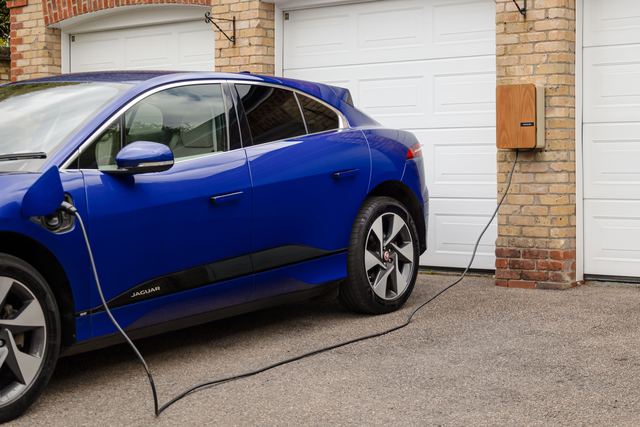
What's different about chargers in Auckland
Vector, or Counties Energy down south
Most of Auckland is on Vector's lines. Southern Papakura, Pukekohe, Waiuku and the rest of the far south are on Counties Energy. We couldn't find a current, published set of home charger rules from either, so ask your electrician to check with the right one whether anything needs notifying.
Most houses are single phase
Vector's EV guidelines say urban homes normally have a single phase connection, while apartment blocks and businesses typically have three phase. The smart chargers Vector recommends typically come in 7.4 kW sizes for single phase and 22 kW for three phase.
Vector has been testing evening peaks
In a trial announced in 2019, Vector put a 7 kW smart charger in the homes of 120 Auckland EV owners to see whether managing charging times could ease peak demand. On Waiheke the same year, it said EV numbers had doubled to over 100 in six months, and turned to home smart chargers to put off upgrading the island's supply cable.
More townhouses and apartments
Joined homes (apartments, units and townhouses) rose from 19.2% of Auckland's occupied dwellings in 2018 to 27.9% in 2023. Shared driveways, basements and supplies make a charger there a group decision, not just yours.
New estates in the south
Counties Energy says its growth is strongest around Pukekohe, Paerata, Drury, Karaka, Glenbrook and Pōkeno. If you're building there, run the charger circuit while the frame is open and before the driveway is poured.
In a house: what the electrician checks
WorkSafe's January 2026 guidance says a home charger's circuit should be protected by a Type B RCD and come from a MEN switchboard. A socket for a 32 A charger is allowed in a home, but the home's maximum demand has to be assessed, and some form of load management is recommended.
With advanced load management on a 32 A charger, WorkSafe says enough charge for a typical day's driving is likely without raising a typical home's peak. If your car has a range of 350 km or more and needs a full charge overnight, it says some upgrading of the wiring may be needed.
If your supply itself needs changing, Vector recommends talking to a registered electrician before you apply. The final connection is made by a Vector-approved contractor or livening inspector. Vector also says new connections work submitted from 16 October 2026 is likely to be scheduled in 2027, so if your plan relies on Vector doing work, raise it early.
Apartments, townhouses and body corporates
In a unit title building, the car park, walls and supply are often shared. Check your body corporate's rules and talk to the building manager before anyone drills or runs cable through common areas. We couldn't confirm a New Zealand rule on body corporate consent for chargers, so get any approval in writing.
For apartment buildings, Vector's guidelines recommend internet-connected smart chargers whose software shares the building's available capacity across every charge point, rather than upgrading the connection. They suggest getting a year of half-hourly usage data and the connection's capacity from your power company, and working through it with a registered electrician or engineer. The busiest day is normally in winter, between June and August.
What you can do, and what's licensed work
You can
- Find out which lines company you're on, Vector or Counties Energy, and ask your power company for your half-hourly usage data.
- Check the charger has a Supplier Declaration of Conformity before you buy it, as Gen Less advises.
- Get body corporate approval in writing if you're in a unit title building.
Leave to a licensed electrician
- Installing the wall charger. Gen Less says it must be done by a registered electrician, and the EWRB lists EV charging among the work homeowners can't do.
- The new circuit, the Type B RCD and any switchboard changes.
- Assessing your maximum demand and setting up load management.
- Checking with the lines company whether anything needs notifying, and arranging any supply change.

What we'd do before buying a charger
We'd ask the power company for our usage data and confirm whether we're on Vector or Counties Energy before choosing a charger. Then we'd get an electrician who fits chargers every week to look at the switchboard and work out the peak load, and we'd pick a smart charger that can manage its own draw. In an apartment or townhouse, we'd get the body corporate on side before anything else.
Want a specialist to sort it?
Tell us the job and your postcode. We match the licence-checked local electrician who does this kind of work, and they call you. No ring-around, and your number goes to them alone.