
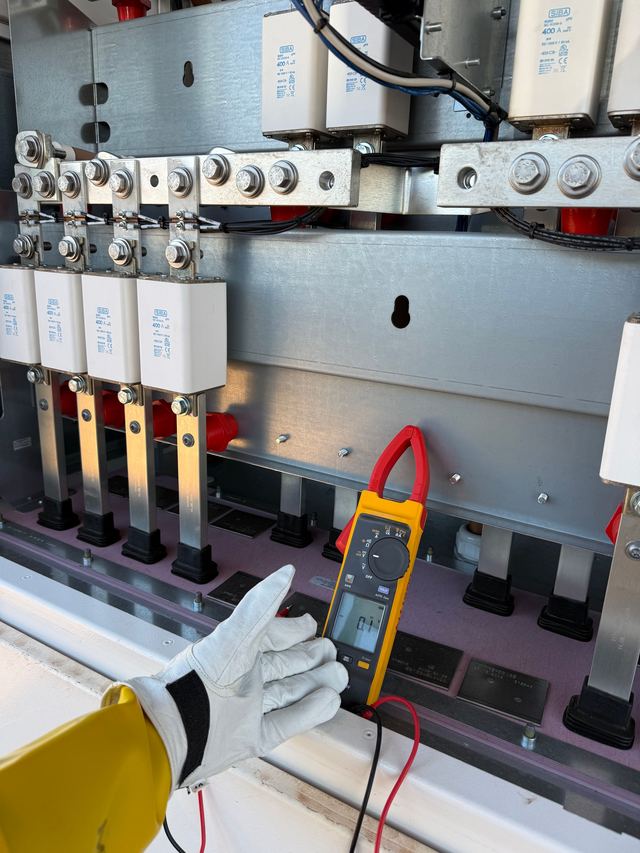
Two kinds of inspection
| An inspection the law requires | A safety check you choose | |
|---|---|---|
| When | High-risk work, such as mains work, solar PV and a higher-capacity switchboard | Buying a house, an older home, a nagging fault, or a renovation in the planning |
| Who does it | A licensed electrical inspector, independent of whoever did the work | A licensed electrical inspector, or an electrician who specialises in testing |
| Who arranges it | The electrical worker who did the job | You |
| What you get | A Record of Inspection, attached to the Certificate of Compliance | A written report of what was tested and found, if you ask for one |
Jobs that must be inspected
The EWRB (Electrical Workers Registration Board) sorts prescribed electrical work into low-risk, general and high-risk. For a licensed electrical worker's job, it's the high-risk work that needs an independent inspection: mains work, solar PV systems and a higher-capacity switchboard among it. The EWRB's consumer pages single out work on the main switchboard, the main cable and the main earth.
Arranging the inspector is your electrician's responsibility, not yours. The work isn't legally complete until both the Certificate of Compliance (CoC) and the Record of Inspection exist, and the record is logged on WorkSafe's high-risk database.
Homeowner wiring is the other case. Where someone who owns and lives in a home adds or alters wiring under the homeowner rules, a licensed electrical inspector has to test it and connect it before it's used. WorkSafe New Zealand's guidance on doing your own electrical work sets the limits, and they're narrow.
When a safety check is worth it
If you're worried your home may not be electrically safe, the EWRB suggests having it checked by a licensed electrical inspector. The usual triggers are an older house with original wiring, a purchase you're about to make, repeated tripping, or work a previous owner did without paperwork.
A check also earns its keep before a big renovation, or before you add a heat pump, an EV charger or an induction cooktop, so you know whether the switchboard and supply can carry it.
Power that's been off for a long time is another trigger. On Northpower's network, a supply that's been off for six months or more needs an inspection and a Certificate of Verification before it's reconnected, and Marlborough Lines has a similar rule.
What happens during a home safety check
The switchboard and meter board
The inspector looks at the age and condition of the boards, whether there are RCDs, any signs of heat, and how the main earth is connected.
Testing the circuits
With proper instruments, they test insulation, earthing and RCD trip times, on every circuit or on a sample. Ask which before you book.
A walk through the house
Power points, switches and light fittings, plus the ceiling space and underfloor, looking for old cable, damage and amateur joins.
Your report
A written list of what's safe, what needs fixing now and what can wait, ideally with photos. A useful report separates the urgent from the nice to have.
Check the paperwork for the address
WorkSafe runs a public Electricity and Gas High-risk Database. Details of the Record of Inspection for high-risk electrical work must be recorded there, a requirement in place since 1 July 2013, and you can search it by the property's address without registering.
What you'll see is a selection of details, not the certificate itself, so still ask the owner for the CoCs. An obvious recent solar or switchboard job with no record is worth a question.
Keep every CoC and inspection report in one folder. The EWRB points out your CoC may matter for an insurance claim or a future sale.
What's yours to do, and what isn't
You can
- Find your CoCs and any past inspection reports, and have them ready.
- Search WorkSafe's high-risk database for your address.
- List anything odd: tripping, flickering, warm fittings or tingles.
- Clear a path to the switchboard, the ceiling hatch and the underfloor access.
Leave to a licensed electrician
- Anything that means working inside the switchboard or behind a fitting.
- Testing circuits with instruments.
- Issuing the Record of Inspection for high-risk work.
- Fixing whatever the check turns up.
Questions to ask before you book
- Are you a licensed electrical inspector, or an electrician? Can I see your licence ID?
- Will you test every circuit, or a sample?
- Do I get a written report with photos?
- Will the report rank what's urgent and what can wait?
- If you find something, can you fix it too?
Why the right person matters
Registration class matters here. Electrical Inspector is its own class on the EWRB register, and the Record of Inspection for high-risk work comes from a licensed electrical inspector. For a check you've chosen, an electrician who does fault-finding and testing most weeks is often just as useful, and can usually fix what they find.
Tell us what's prompting the check, and we'll match you with one licence-checked local specialist who does this kind of work.

If we were in your shoes
We'd start with the paperwork: dig out the CoCs, search the high-risk database and write down anything odd. Then we'd book a check with a licensed electrical inspector or a testing specialist, ask for a written report that ranks the fixes, and deal with the urgent items before anything cosmetic.
Want a specialist to sort it?
Tell us the job and your postcode. We match the licence-checked local electrician who does this kind of work, and they call you. No ring-around, and your number goes to them alone.