
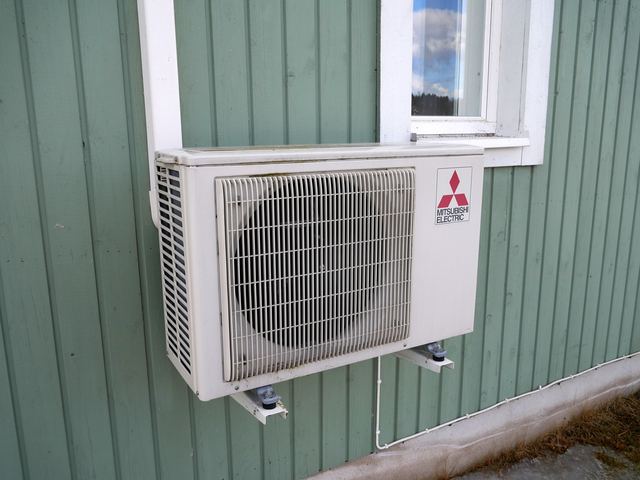
What the electrician actually does
They check the switchboard has room and the supply can take the extra load, run a circuit out to where the outdoor unit will sit, fit an isolating switch near it so the unit can be worked on safely, and connect the heat pump. Then they test it and issue the paperwork.
An old or full board can turn the heat pump into the job that triggers a switchboard upgrade. A higher-capacity switchboard is high-risk work, so that part gets an independent inspection and a Record of Inspection.
The circuit itself is general work: expect a Certificate of Compliance and an Electrical Safety Certificate. WorkSafe notes that the wiring rules require RCD protection on new final subcircuits in homes.
Who installs what
A heat pump install brings together two kinds of work: the unit, its pipework and refrigerant, and the electrical supply. Some heat pump installers have a licensed electrician on the team; others bring one in. Ask who's doing the wiring, and check their licence ID like you would any electrician's.
If you've already got a heat pump installer lined up and just need the electrical side, that's a job we can match.
Rentals: what the heating standard asks of a heat pump
A heat pump used to meet the healthy homes heating standard must have a thermostat and enough capacity to heat the main living room to 18°C. Tenancy Services says to choose using the heat pump's nominal heating capacity, measured at 7°C, not its capacity range.
Where the living room needs more than 2.4 kW of heating, electric heaters other than heat pumps can't be used, except as a small top-up to older qualifying heating. That makes a heat pump the only electric heater able to meet the standard on its own in bigger living rooms.
Tenants clean filters they can reach and keep the outdoor unit clear. Where tools or technical know-how are needed, the landlord is generally responsible for maintaining it.
Grants
For some owner-occupiers, EECA's Warmer Kiwi Homes programme offers grants for heat pumps. Check eligibility with EECA directly. The electricians we match don't run or deliver that programme.
Your part, and the licensed part
You can
- Agree with the installer where the indoor and outdoor units go.
- Clean the filters you can reach, and keep leaves and plants clear of the outdoor unit.
- Turn the unit off at its remote and isolating switch if it starts tripping the power, and leave it off.
Leave to a licensed electrician
- The circuit, the isolating switch and the connection.
- Switchboard space, breakers and RCDs.
- Any switchboard upgrade the extra load calls for, with its inspection.
- All wiring in a rental, where landlords and tenants can't do electrical work.

If we were adding a heat pump
We'd get the electrician to look at the switchboard before choosing the heat pump, so you know early whether it's a simple circuit or a board upgrade too. In a rental, we'd run Tenancy Services' heating assessment tool first, then size the heat pump from its nominal capacity.
Want a specialist to sort it?
Tell us the job and your postcode. We match the licence-checked local electrician who does this kind of work, and they call you. No ring-around, and your number goes to them alone.